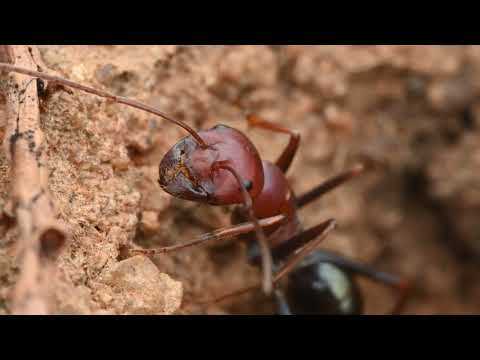
Morphology and Identification
Podomyrma ants boast distinctive features. Their antennae, consisting of 11 segments, set them apart. The petiole and postpetiole exhibit unique characteristics, appearing either low and rounded or barrel-shaped. Notably, the petiole may bear one to three small spines or teeth. The middle and hind legs showcase markedly swollen femora and often tibiae. These morphological traits serve as key identifiers within the Myrmicinae subfamily.
Habitat and Behavior
Podomyrma occupy solid dead wood, beetle burrows, cracks in trunks, twigs, vines, mangroves, large seeds, galls, and occasionally, the ground. Foraging primarily occurs on tree trunks, around tree bases, in litter, and on grasses, especially during evenings. Despite their potential abundance, these ants often elude detection due to their arboreal tendencies.
Research indicates that Podomyrma ants typically form medium-sized colonies, with over 200 individuals. Nesting both underground and arboreally, these ants exhibit omnivorous behavior and cooperative foraging.