The Black-headed Sugar Ant, scientifically identified as *Camponotus nigriceps*, is an indigenous species of Formicinae ant exclusive to Australia. First officially documented by British entomologist Frederick Smith in 1858, it falls under the cosmopolitan genus Camponotus, commonly acknowledged as carpenter ants and in Australia as sugar ants.
Morphology
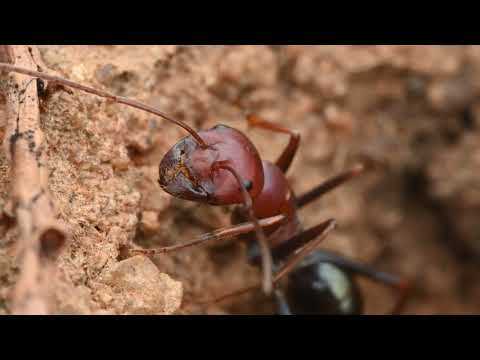
This ant species is recognized for its distinctive features, including a black head, reddish-brown mesosoma, and a black gaster. Noteworthy for its polymorphism, the workers and soldiers exhibit sizes ranging from 6 to 12 millimetres, while male ants reach 12 millimetres. Queens, the largest members of the colony, measure approximately 16 millimetres.
Distribution and Habitat
Widespread across Australia, the Black-headed Sugar Ant thrives in various environments, from open areas to dry sclerophyll woodlands. Colonies establish nests in soil, large mounds, or under stones.
Swarming
The species engages in nuptial flights during the summer months, marking the initiation of new colonies. These nests can accommodate several thousand individuals.
Ecology and presence in houses
Despite being considered a household pest, Black-headed Sugar Ants play a vital ecological role. Their diet encompasses sweet foods and insects. Additionally, they serve as prey for numerous birds and fish.



No comments:
Post a Comment